
Complementary Certification
CE marking often sits alongside ISO systems used by manufacturers and exporters.
European Market Compliance for Your Products
CE Marking demonstrates that a product complies with the applicable European Union requirements relating to health, safety and environmental protection. It is required for products covered by specific EU legislation before they can be placed on the European Economic Area (EEA) market.
For manufacturers, importers and other economic operators, CE compliance involves identifying the applicable EU legislation, assessing the product against the relevant requirements, preparing technical documentation, issuing the EU Declaration of Conformity and affixing the CE marking where required. Nustar Certifications supports Indian manufacturers and exporters with structured CE certification and CE marking guidance.

What Is CE Certification?
CE certification is commonly used to describe the process of demonstrating that a product meets the applicable European Union requirements for safety, health and environmental protection.
Strictly speaking, CE is a conformity marking rather than a universal certificate issued for every product. Depending on the product and the applicable legislation, the manufacturer may be permitted to complete the conformity assessment internally, while certain higher-risk or regulated products require assessment by an EU-designated Notified Body.
After the applicable conformity requirements have been satisfied, the manufacturer prepares the required technical documentation and EU Declaration of Conformity and affixes the CE marking to the product, packaging or accompanying documents as permitted by the applicable legislation.
CE marking is relevant across many product sectors, including machinery, electrical and electronic equipment, personal protective equipment, medical devices, toys, pressure equipment, radio equipment and other products covered by EU harmonisation legislation.
CE marking does not mean that the European Union has individually approved or certified the product. It indicates that the manufacturer has completed the applicable conformity assessment and takes responsibility for compliance with the relevant EU requirements.
What Does the CE Mark Mean?
The CE mark indicates that a product has been assessed against the requirements of the EU legislation applicable to that product. Depending on the product, compliance may involve:

Product safety

User health and protection

Electrical safety

Electromagnetic compatibility

Machinery safety

Chemical restrictions

Environmental requirements
Radio and wireless performance
Pressure-related safety
Personal protective equipment requirements
Medical device requirements
Product-specific technical standards
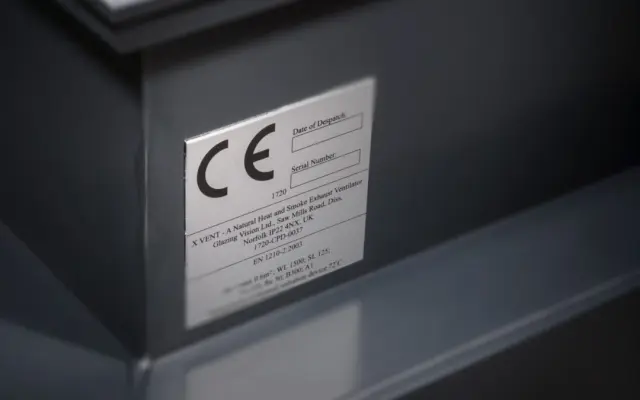
Who Needs CE Marking?
CE marking is required for products that fall within the scope of EU legislation that specifically requires CE marking. It can apply to products manufactured within the European Union as well as products manufactured outside the EU and subsequently placed on the EU/EEA market.
The European Commission confirms that manufacturers carry the main responsibility for conformity assessment, technical documentation, the EU Declaration of Conformity and CE marking.
Which Products Require CE Marking?
CE marking is not required for every product. It is mandatory only where applicable EU legislation requires it. Important product groups that may fall under CE legislation include:
Machinery
Industrial machinery, production equipment, mechanical systems and certain related products may be subject to EU machinery legislation.
Electrical and Electronic Products
Certain electrical and electronic equipment may need to comply with electrical safety, electromagnetic compatibility and other applicable EU rules.
Medical Devices
Medical devices placed on the EU market are subject to specific regulatory requirements and conformity assessment procedures.
Personal Protective Equipment
Protective equipment is regulated according to its level and type of risk, with category-specific conformity routes.
Toys
Toys placed on the EU market must meet applicable safety requirements before they can be marketed.
Radio Equipment
Wireless and radio-enabled products may fall under EU requirements relating to radio performance, safety and EMC.
Pressure Equipment
Certain pressure equipment and assemblies are subject to dedicated conformity assessment requirements.
Construction-Related Products
Certain construction products may fall under specific European legislation and harmonised technical requirements.
Other Regulated Products
Depending on the product, CE legislation may also cover measuring instruments, lifts, gas appliances, explosives for civil uses, equipment for potentially explosive atmospheres and other regulated categories.
The exact applicability should always be determined from the product's characteristics and the EU legislation applicable to it.
How to Obtain CE Marking?
Obtaining CE compliance should follow a product-specific conformity assessment process. Nustar Certifications helps manufacturers map the applicable route before testing, documentation and marking.
Start by defining the product clearly, including its intended use, technical characteristics, components, operating conditions and target market.
Determine which EU Directive(s) and/or Regulation(s) apply to the product. A single product can sometimes fall under more than one piece of EU legislation.
Identify the relevant essential health, safety, performance and environmental requirements applicable to the product.
Determine which harmonised European standards are relevant to demonstrating conformity. Using applicable harmonised standards can provide a recognised route for demonstrating compliance with relevant legislative requirements.
Evaluate reasonably foreseeable risks associated with the product. Depending on the product, this can include mechanical, electrical, thermal, chemical, electromagnetic, operational or other relevant hazards.
Determine whether the product can be assessed through internal production control or whether a Notified Body must be involved. The applicable EU legislation determines the permitted conformity assessment route.
Carry out the tests necessary to demonstrate conformity. Testing requirements vary significantly depending on the product and applicable legislation. Examples may include electrical safety testing, EMC testing, radio testing, mechanical safety testing, thermal testing, environmental testing, chemical assessment, performance testing and product-specific safety testing.
The manufacturer must prepare technical documentation demonstrating how the product complies with applicable requirements. This may include product description, technical specifications, drawings, circuit diagrams, component information, risk assessment, test reports, applicable standards, design calculations, user instructions, labels and markings, manufacturing information, quality-control information and certificates issued by relevant conformity assessment bodies where applicable.
Benefits of CE Marking
Access to the EU/EEA Market
For products covered by CE legislation, completing the required conformity process allows the manufacturer to place the compliant product on the applicable EU/EEA market.
Demonstrates Regulatory Compliance
CE compliance provides documented evidence that the applicable product requirements have been addressed through the required conformity assessment process.
Strengthens Product Safety
The conformity assessment process encourages manufacturers to identify product hazards and address relevant safety requirements before market placement.
Builds Customer Confidence
Clear compliance documentation can increase confidence among distributors, importers, business customers and other stakeholders.
Supports International Business
For manufacturers targeting European customers, CE compliance can become an important part of their export and market-entry strategy.
Improves Product Documentation
The CE process requires manufacturers to establish technical information, risk assessments, test evidence and declarations appropriate to the product.
Supports Market Surveillance Compliance
Maintaining appropriate technical and conformity documentation helps manufacturers respond to regulatory or market-surveillance requests when required.
Why Is CE Marking Important for Indian Manufacturers?
Indian manufacturers exporting regulated products to Europe should understand CE requirements before placing their products on the EU/EEA market.
ISO is not CE. A product made in India does not become CE compliant just because it was tested in India or already carries ISO certification. CE is product-specific and follows applicable EU legislation.
This route helps manufacturers prepare the product and documentation for European regulatory requirements:
Who Should Apply for CE Compliance?
CE compliance may be relevant to manufacturers, brand owners and businesses placing covered products on the EU/EEA market:
How Long Is CE Marking Valid?
CE marking does not have one universal expiry period applicable to every product. The manufacturer must maintain conformity with the applicable legislation throughout the product's market life.
Changes to the product, design, components, manufacturing process, applicable legislation or relevant standards may require a reassessment of conformity. Where a Notified Body certificate is involved, its validity and surveillance requirements depend on the relevant legislation, conformity assessment procedure and certificate conditions.